
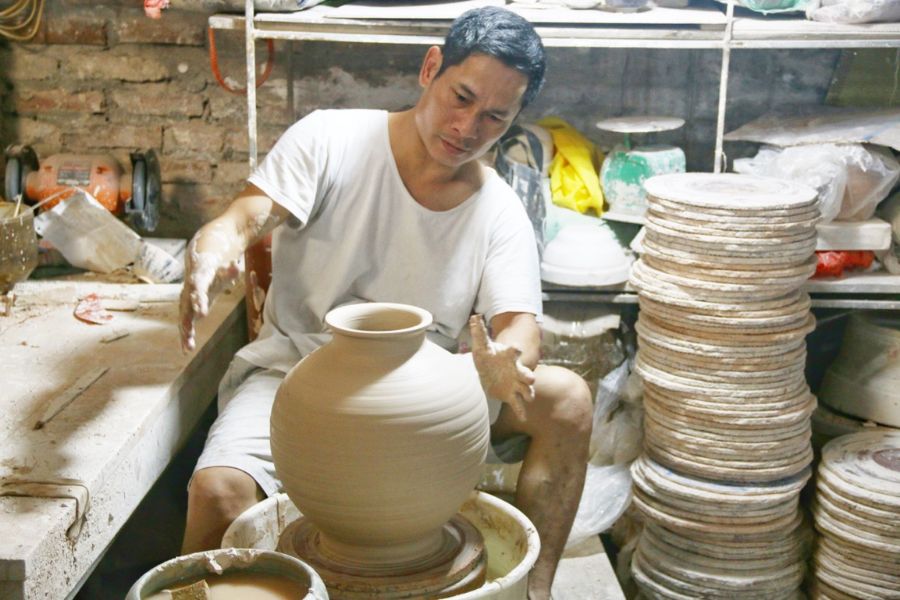
The most rewarding Hanoi craft village experiences begin with curiosity about how something is made. Beyond a finished bowl, lacquer panel or length of silk are choices of material, technique and design that become more interesting when someone takes time to explain them.
If you want to connect a Hanoi artisan visit with a wider cultural journey, our sister brand Vietnam Luxury Tourism offers tailor-made cultural holidays in Vietnam, with ideas for exploring the country around your interests and preferred pace.
This guide helps you choose Hanoi craft village experiences that suit what you enjoy: watching a maker work, trying a technique yourself or understanding the story behind an object. A private visit works best when the activity and expectations are agreed beforehand.
1. Start with What You Want to Learn
Before comparing Hanoi craft village experiences, decide what would make the visit worthwhile for you. Would you like to shape clay, understand a decorative technique, watch weaving or spend time discussing a maker's work?
Share that preference with your organiser. A keen photographer, a textile enthusiast and someone seeking a hands-on activity may need different arrangements, even when visiting the same place.
Choose one main interest for a half-day outing. Time spent asking questions, looking closely and attempting a task can be more valuable than adding another village to the route.
Bring one question you would enjoy exploring. For a ceramic bowl, it might be how the maker chooses its shape or glaze. For a patterned textile, it could be how the design is created. A specific question gives the conversation a starting point and makes the finished objects easier to appreciate.
2. Match the Craft to Your Interests
These three Hanoi craft village experiences offer different starting points. Use the comparison to narrow your choice, then confirm the actual studio, host and activity rather than booking by village name alone.
| Village | Craft focus | Useful question before booking |
| Bat Trang | Pottery and ceramics. | Will I shape clay, decorate a prepared piece or mainly observe? |
| Ha Thai | Lacquer art and decorative techniques. | Which stages can I try, and what will the studio prepare? |
| Van Phuc | Silk and weaving. | Does the visit include a working loom and an explanation of production? |
Bat Trang: For an Introduction to Clay and Ceramics
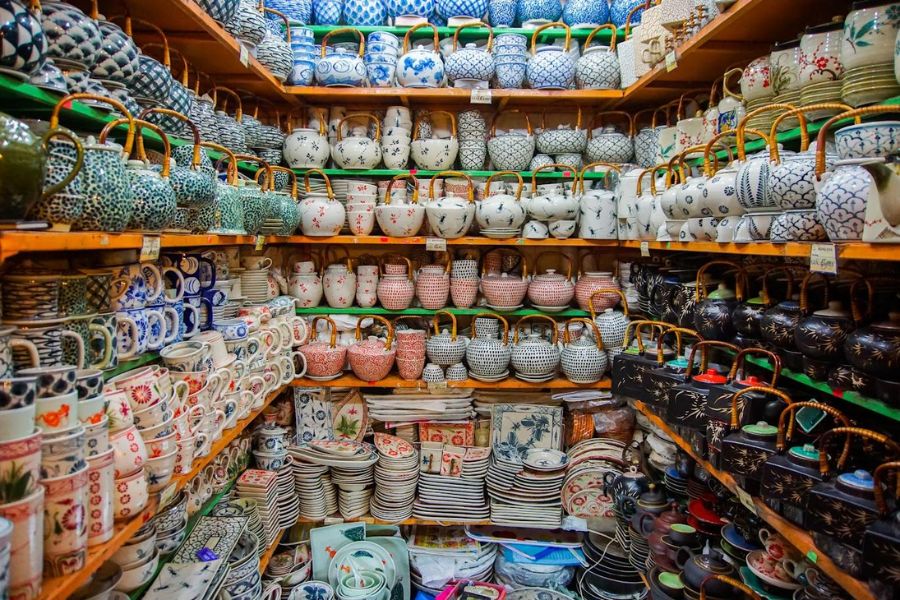
For travellers drawn to pottery, Hanoi craft village experiences in Bat Trang can combine a village introduction with time in a ceramic workshop. Vietnam's official tourism guide describes both hands-on pottery activities and opportunities to explore the village's ceramic heritage.
Choose the activity carefully. Forming a vessel on a wheel and decorating an existing piece involve different skills. Ask which option is offered and how much help a beginner receives.
Discuss drying, firing and collection before choosing what to make. Confirm what can be taken away that day and what requires later processing or delivery. The workshop should explain the finished result you can realistically expect.
Ha Thai: For Surface, Pattern and Lacquer Art
Ha Thai is worth considering when choosing Hanoi craft village experiences centred on decorative detail. My Hanoi Tours' published Dung Di Art Studio programme introduces lacquer techniques through work on a prepared wooden base, including arranging eggshell pieces.
A short session can reveal the care involved in positioning small fragments and building a design. Ask the host to explain how the visitor activity relates to the wider craft process.
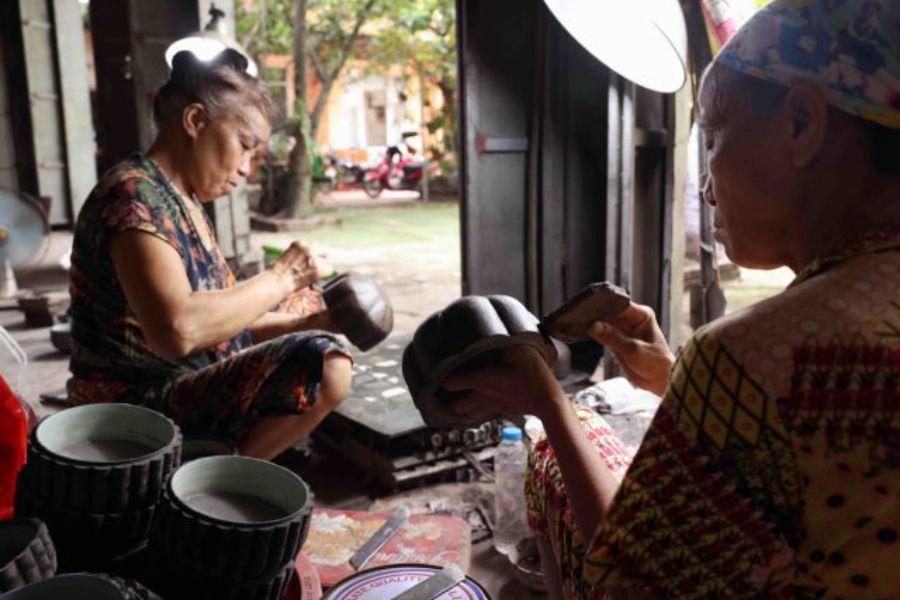
Confirm which finishing stages are completed by the studio and whether your piece will be ready for travel. The value lies in understanding selected techniques; a brief workshop cannot demonstrate every stage of a complex production process.
Van Phuc: For Textile Lovers
For visitors interested in fabric, Hanoi craft village experiences in Van Phuc offer a focus on silk and weaving. Vietnam Tourism describes the village's textile heritage and opportunities to observe artisans at their looms.
If production is your priority, request a visit that includes an explanation of the loom and the fabric being made. Check whether the relevant workspace will be operating during your visit.
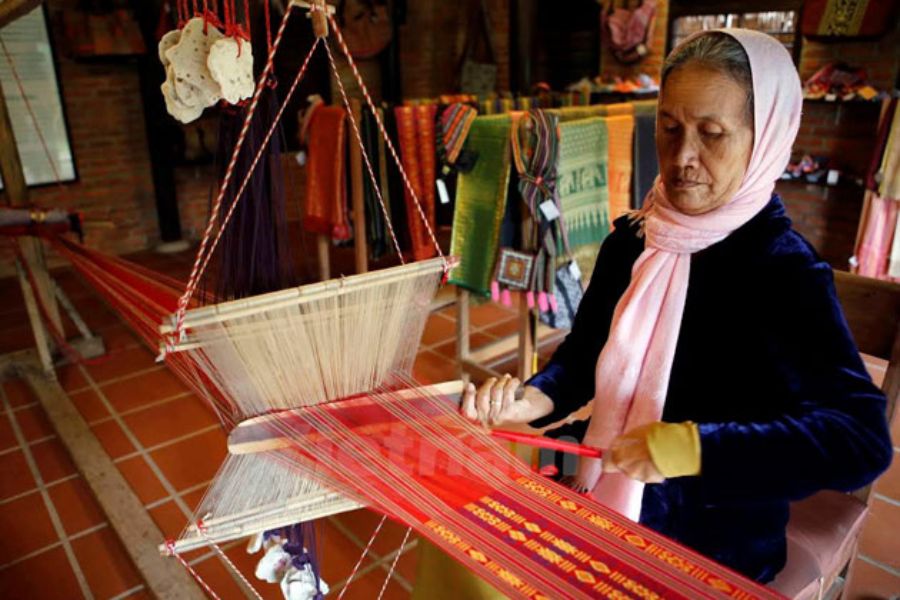
When browsing finished textiles, ask about fibre composition, where the item was woven and how to care for it. These questions help you connect the object with its production story and choose something suitable for its intended use.
3. Clarify the Demonstration and Hands-On Time
When comparing Hanoi craft village experiences, ask for a simple description of what happens after arrival. A demonstration, a guided workshop and a visit to finished-product displays each serve a different purpose.
Find out whether the session is private to your party or shared with other visitors. Private transport alone does not establish that the workshop itself is exclusive.
Ask who will explain the process, how translation works and whether every participant has materials and workspace. If one person would rather watch, check how they can join comfortably without paying for an activity they do not want.
4. Allow Time for Travel and Conversation
Good Hanoi craft village experiences depend on realistic timing. Ask for the door-to-door duration from your hotel, including traffic, any village walk and the practical session.
A half-day can suit one focused visit. If you want two villages, ask the organiser to explain the route and the time available with each host. Avoid judging convenience only by the apparent distance on a map.
Keep the return flexible enough for washing up, packing a purchase or finishing a conversation. Reserve a comfortable gap before a flight, performance or other appointment that cannot move.
5. Understand What You Can Take Home
For many Hanoi craft village experiences, the object you make becomes a personal reminder of the visit. Confirm exactly what the activity fee covers: materials, firing or finishing, packaging and any later delivery.
For pottery, ask whether the item is decorative or intended for everyday use, and follow the studio's care instructions. For lacquer work, confirm when it can be handled and packed. For textiles, request suitable washing and storage advice.
Ask about delivery costs and arrangements before relying on shipping. If buying a larger piece, consider its size, weight and practical place in your luggage before committing.
For a ready-made purchase, request a description of the material and maker where available. Take a photograph of the item and keep the seller's contact details with the receipt. That information can be useful later if you want care advice or wish to find a matching piece.
6. Treat the Workshop as Someone's Workplace
Approach Hanoi craft village experiences with respect for the people hosting you. Ask before photographing a person, entering another room or touching tools, materials and unfinished objects.
Let the host show you where to stand and which materials are intended for guests. Keep bags clear of work surfaces and follow the instructions for the activity.
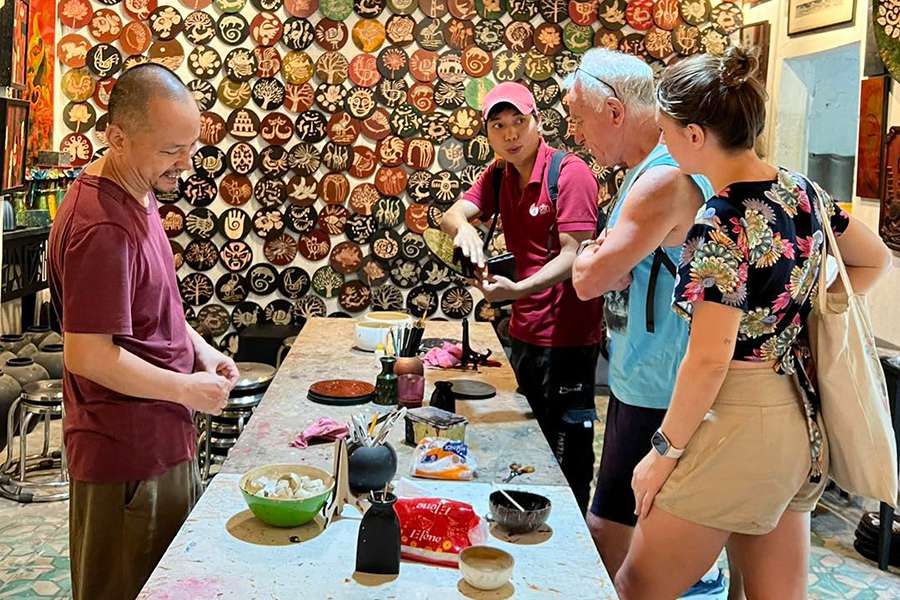
Give the guide time to translate questions and answers. Ask about a particular pattern, material or decision rather than expecting a performance of every production stage. If shopping is part of the programme, agree how much time you want to spend browsing.
7. Compare the Booking Details
Before confirming Hanoi craft village experiences, request the name of the village and studio, the session format and the main inclusions. Establish whether transport, guiding, workshop materials and take-home packaging are covered.
Check any additional charges for a larger item, a different technique or shipping. Ask about cancellation conditions and what happens if the planned host is unavailable.
Share access needs, preferred seating and the ages of younger participants in advance. The organiser should confirm what suits the actual venue and activity. Keep the agreed description with your booking rather than relying on a promotional photograph.
A Suggested Half-Day with One Craft Focus
| Part of the visit | Suggested approach |
| Travel | Leave from your hotel with a clear meeting point and route. |
| Introduction | Meet the host and understand the craft and working space. |
| Main activity | Watch a demonstration or join the confirmed practical session. |
| Questions and browsing | Discuss techniques and look at finished work if interested. |
| Departure | Confirm collection or packaging, then return to Hanoi. |
This is a planning framework, not a fixed timetable. Ask for enough time for your chosen activity and adjust any optional village walk around the host's availability and your comfort.
Frequently Asked Questions
Which Hanoi craft village experiences suit first-time visitors?
Start with a craft you genuinely want to understand. Bat Trang offers a pottery focus, Ha Thai introduces lacquer-related techniques and Van Phuc suits textile interests. Choose the confirmed activity as carefully as the destination.
Do I need previous art or craft experience?
Ask for a beginner session and clarify the support provided. Some visits focus on observation, while practical sessions vary in the skills and concentration they require.
Can children join?
That depends on the venue, materials and task. Share each child's age and interests, then request confirmation of an appropriate activity and the supervision required.
Choose a Visit You Will Remember
The most meaningful Hanoi craft village experiences give you time to notice the work behind an object and ask questions of the people who make it. Explore our Hanoi tours and tell us which craft interests you so the visit can be planned around your curiosity and pace.
